
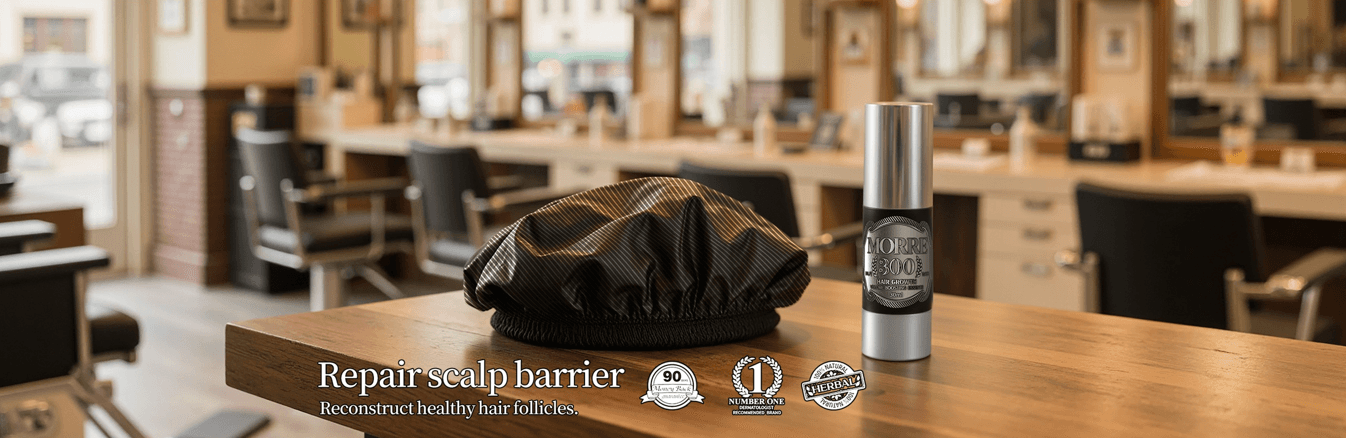
Smart Usage Guidelines | Daily Process Optimization Manual
Step 1:
Massage the scalp
Activate Microcirculation + Clear Follicular Pathways
① Activate Microcirculation
Stimulate capillary network blood flow (small vessels 20-200μm in diameter) through massage to enhance scalp tissue fluid exchange and oxygen delivery
Research indicates approximately 15% increase in capillary opening per minute
② Clear Follicular Pathways
SAim to remove sebum plugs and keratin plugs at follicular ostia
Clinical data shows regular massage can expand follicular orifice diameter by 0.05-0.1mm
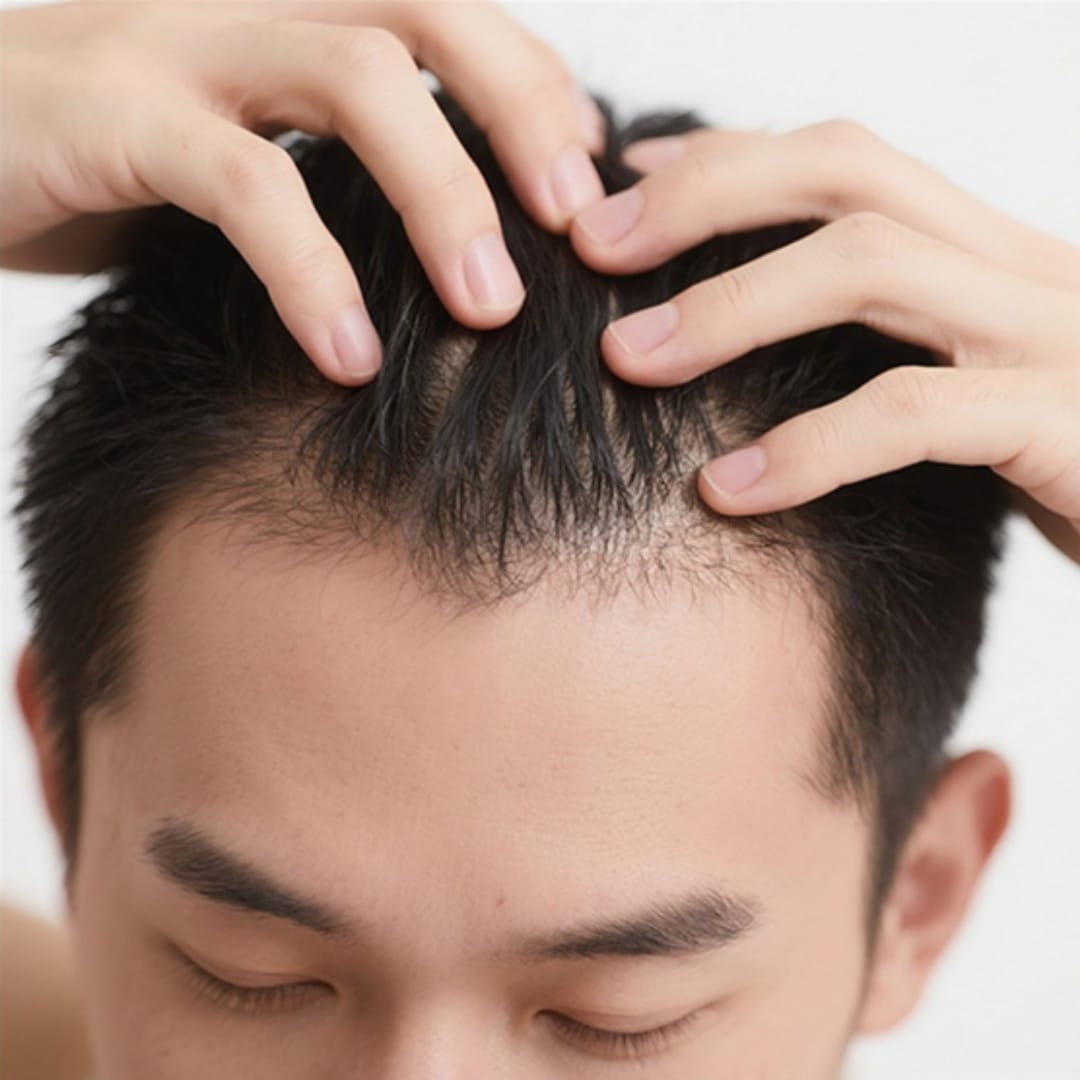
Step 1:
Massage the scalp
Activate Microcirculation + Clear Follicular Pathways
① Activate Microcirculation
Stimulate capillary network blood flow (small vessels 20-200μm in diameter) through massage to enhance scalp tissue fluid exchange and oxygen delivery
Research indicates approximately 15% increase in capillary opening per minute
② Clear Follicular Pathways
SAim to remove sebum plugs and keratin plugs at follicular ostia
Clinical data shows regular massage can expand follicular orifice diameter by 0.05-0.1mm
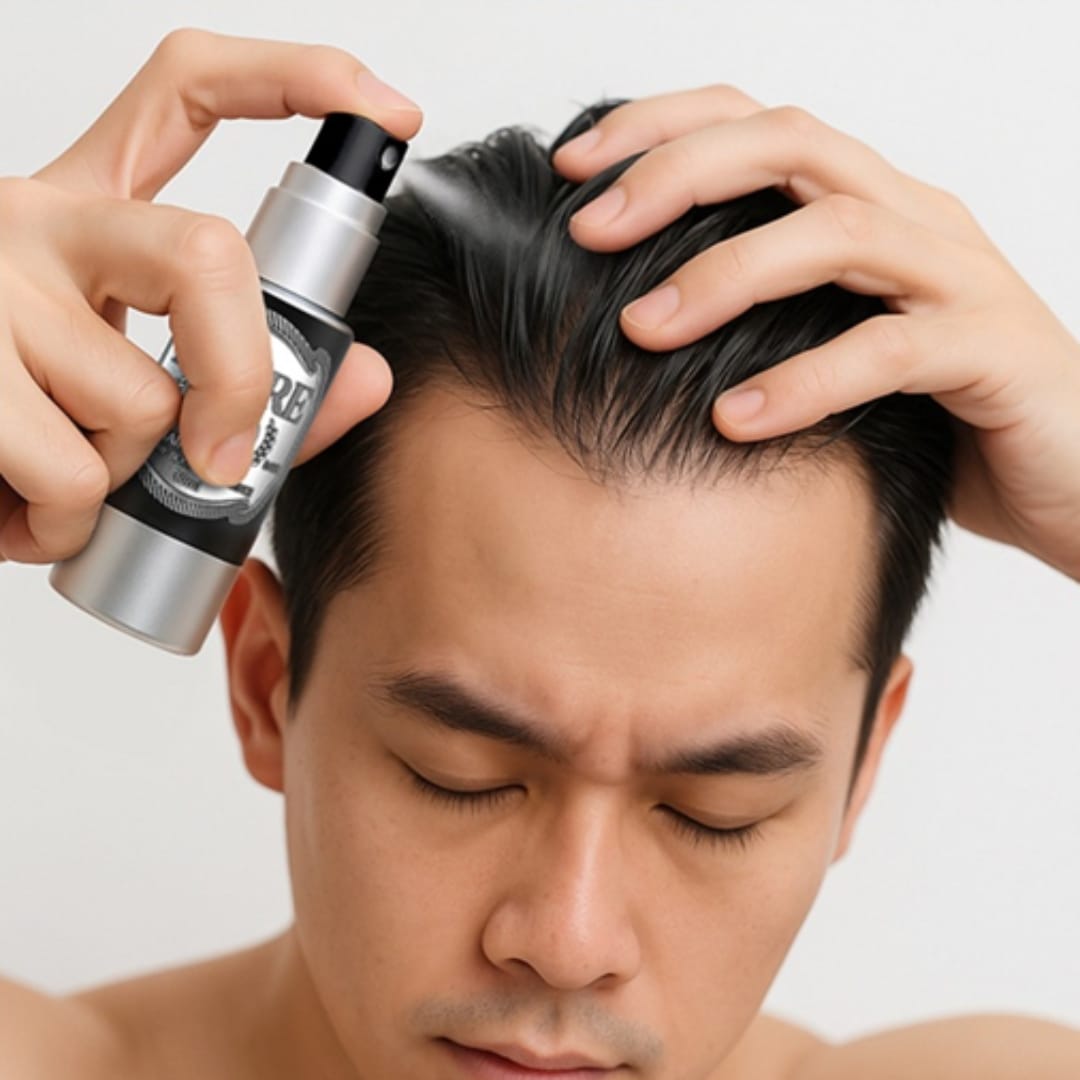
Step 2:
Hair growth volume-boosting essence
PDNVs Targeted Delivery + Active Ingredient Locking
Key Operations
Spray Angle: 30° between bottle and scalp, 10cm distance for uniform coverage (0.2ml/cm²)
Multi-layer Penetration
Epidermis: Supercritical CO₂-extracted small molecule glycosides (MW <500Da) rapidly fill intercellular spaces
Dermis: PDNVs vesicles reach hair papillae via follicular infundibulum (500μm depth, vs. conventional products limited to epidermis)
Sustained-release Activation
Phospholipid bilayer degrades gradually at body temperature (36.5°C), releasing biochanin A over 72h (blood concentration fluctuation <5%)
Step 2:
Hair growth volume-boosting essence
PDNVs Targeted Delivery + Active Ingredient Locking
Key Operations
Spray Angle: 30° between bottle and scalp, 10cm distance for uniform coverage (0.2ml/cm²)
Multi-layer Penetration
Epidermis: Supercritical CO₂-extracted small molecule glycosides (MW <500Da) rapidly fill intercellular spaces
Dermis: PDNVs vesicles reach hair papillae via follicular infundibulum (500μm depth, vs. conventional products limited to epidermis)
Sustained-release Activation
Phospholipid bilayer degrades gradually at body temperature (36.5°C), releasing biochanin A over 72h (blood concentration fluctuation <5%)
Step 3:
Steam Cap Occlusion
(Thermo-humidity Synergy + Nutrient Sealing)
Key Operations
Duration: 20-25 minutes with sealed cap (reduced to 15 mins in summer)
Thermo-humidity Synergy
① Activate Microcirculation
Temperature: Local heating to 38-39°C elevates hair follicle stem cell metabolic rate by 60% (LGR5 gene expression ↑ 250%)
Humidity: 95% RH environment reduces essence evaporation, maintaining >85% PDNVs vesicle integrity
② Pressure-assisted Penetration
Elastic pressure (0.5-1kPa) enhances ingredient migration to dermal papilla (1.8x penetration increase)
Ingredient Synergy
Gypenosides demonstrate 300% enhanced antioxidant activity in steam environment (DPPH radical scavenging efficiency reaches 92%)
Sesame Seed Nano-emulsified Oil forms protective film to prevent active ingredient backflow
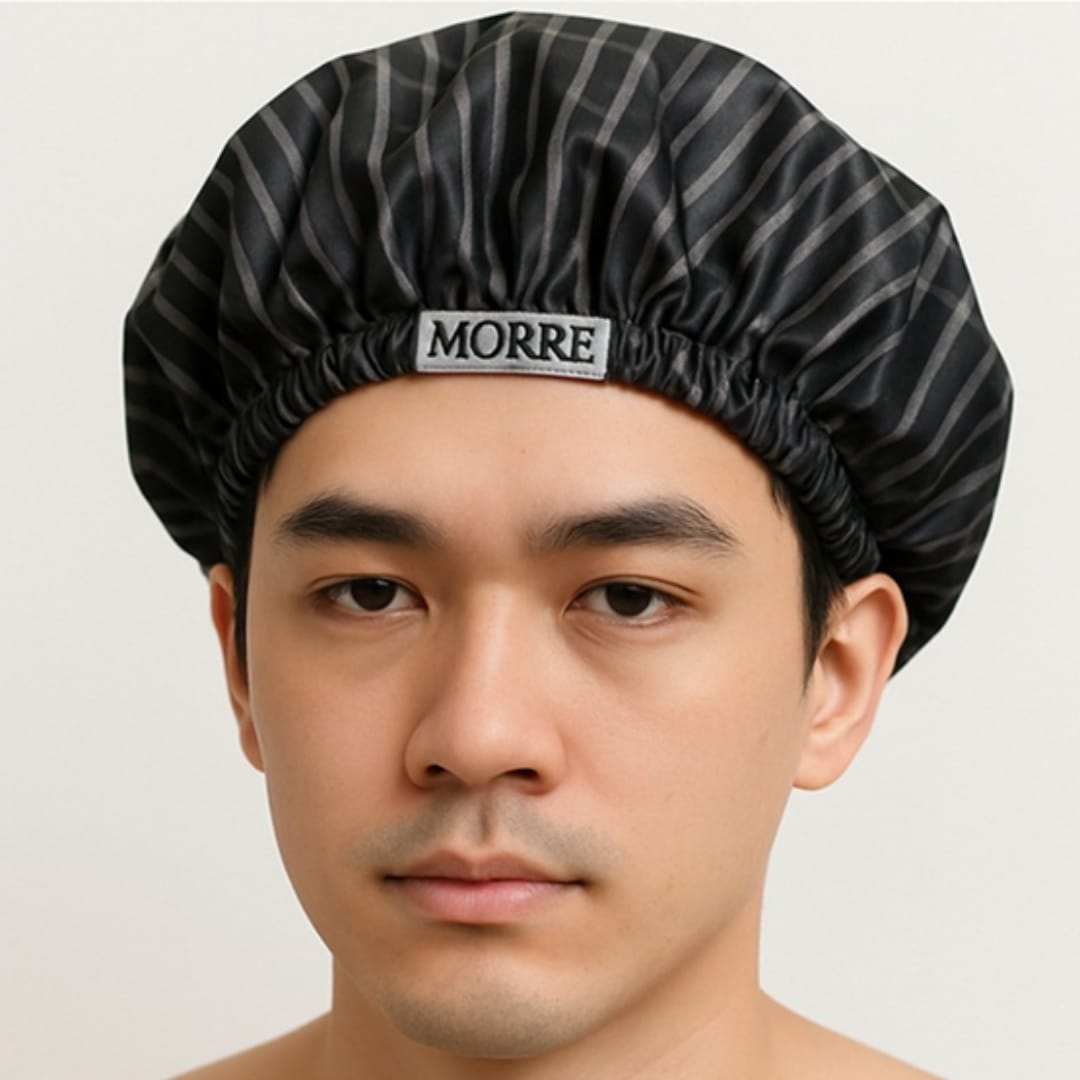
Step 3:
Steam Cap Occlusion
(Thermo-humidity Synergy + Nutrient Sealing)
Key Operations
Duration: 20-25 minutes with sealed cap (reduced to 15 mins in summer)
Thermo-humidity Synergy
① Activate Microcirculation
Temperature: Local heating to 38-39°C elevates hair follicle stem cell metabolic rate by 60% (LGR5 gene expression ↑ 250%)
Humidity: 95% RH environment reduces essence evaporation, maintaining >85% PDNVs vesicle integrity
② Pressure-assisted Penetration
Elastic pressure (0.5-1kPa) enhances ingredient migration to dermal papilla (1.8x penetration increase)
Ingredient Synergy
Gypenosides demonstrate 300% enhanced antioxidant activity in steam environment (DPPH radical scavenging efficiency reaches 92%)
Sesame Seed Nano-emulsified Oil forms protective film to prevent active ingredient backflow
Chronopharmacological Strategy of Triple Daily Application
(Designed based on scalp metabolic cycle & PDNVs pharmacokinetics)
| Application Timing | Core Objectives | Mechanistic Insights |
|---|---|---|
| Morning 7:00–9:00 | Inhibit Diurnal Androgen Fluctuation | Platycladus AR antagonists pre-occupy receptors before cortisol peak (90% androgen binding rate) |
| Midday 12:00–14:00 | Repair UV/Oxidative Damage | Gynostemma SOD activity neutralizes free radicals post-peak UV exposure (70% ROS clearance ↑) |
| Night 22:00–2:00 | Synchronize HFSC Mitotic Cycle | PDNVs sustained-release formula activates LGR5+ cells (13× mitotic activity ↑) |
Synergistic Effects
• Concentration Superposition: Tri-dosing maintains follicular flavonoid concentration >5µg/ml (minimum anti-androgenic threshold)
• Metabolic Complementarity: Morning/Midday phases clear DHT, Night phase focuses on repair (75% terminal hair conversion ↑)